We were the world's oldest teenagers
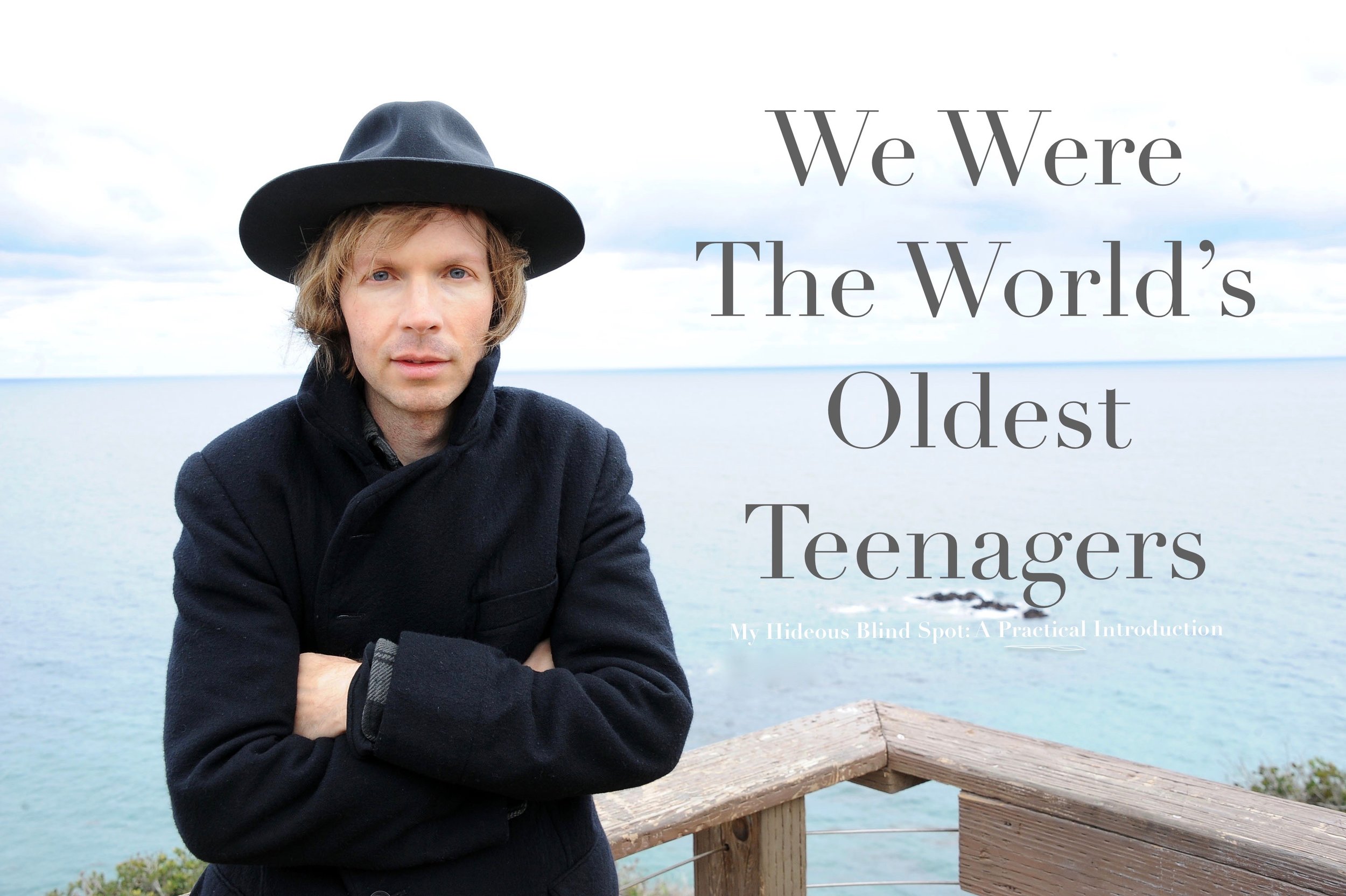
Somehow, we made it to 1997.
It seemed like years since we’d actively listened to U2’s The Joshua Tree, but we’d been exposed to it just enough - in fast-food restaurant chains and shopping malls, at house parties, and from the open windows of passing cars - that it was now flowing like hemoglobin in our bloodstream. Though our tastes were refined and you now found The Smashing Pumpkins, Beck, and Radiohead in our CD Walkmans and our less-portable boomboxes, it was The Joshua Tree that had clearly infiltrated our DNA. Consequently, it was animating the archetypes buried deep in our subconscious at exactly the wrong moment. The message of The Joshua Tree was there when we encountered those situations that recall the ‘big questions,’ and it was there pushing us towards resistance to looming societal expectations. It felt normal. Right.
Because we weren’t yet ready to grow up.
Despite our “slacker” posture, it’s true, we were still filled with hope.
We’d been loved unconditionally, even when we’d been obviously rotten, and we’d been assured we could “do anything.” But, now, our adolescence was now lasting somehow into our twenties, and beyond. No. We weren’t just not ready to grow up.
We were unwilling.
As members of Generation X, in retrospect, it seems we also took our cues from evolutionary biology. We are the species born most vulnerable, possessing the longest period of development outside of the womb needed to function fully and completely as actual, independent adults. As our thirties approached and our friends “betrayed” us and “sold out,” we continued to dream of Freedom and unlimited possibility, often in the shape of a vague greatness, as artists, poets, rockstars, comedians, or simply by backpacking, perhaps forever. It could be almost anything, really, but importantly, it had to be something truly unique, and impractical.
But now, the world was closing in. We found ourselves on that conveyor belt, pushing us out once again into a world for which we were decidedly unready and, with our limited options coming into laser focus, without even knowing it, we may have found our lips forming those words and could feel our throats aching to reach those notes. The words, after all, had been there all the time, answering our prayers while nudging us towards oblivion. Still, we sang them in our own way, with our own voices or, more likely, with our best in-the-shower Bono imitation (as the water rolled down the drain)...
“I want to run
I want to hide
I want to tear down the walls
that hold me inside
I wanna reach out
and touch the flame
Where the streets have no name…”
And we knew we were distant cousins of the viola player in that doomed quartet on the sinking Titanic. But we wouldn’t let go of that moment.
Even if it was already gone.
Imagining that the morning lasted all day.
This is My Hideous Blind Spot: a Practical Introduction. That moment, but funny this time.
Alistair A. Vogan Copyright (2026)
Hey. Share this with your world, you gorgeous super influencer.
Alistair A. Vogan is a researcher, writer, educator, and transdisciplinary thinker whose work explores the strange, funny, and often uncomfortable systems shaping human behaviour, technology, learning, and culture. His forthcoming nonfiction book, Please Make Yourself (Un)comfortable: The Rogue Scientist’s Field Guide, blends narrative, cognitive science, evolutionary biology, complexity theory, and humour to examine how life’s drive to get “more for less” shapes everything from cells and consciousness to cities, innovation, and the beautiful absurdities of modern life.